How do systems become coherent?
Understanding structure explains why and how systems produce the outcomes they do. But structure alone does not create performance. Every organization, market, community, and living system depends upon something more fundamental: the quality of participation between the elements that comprise it.
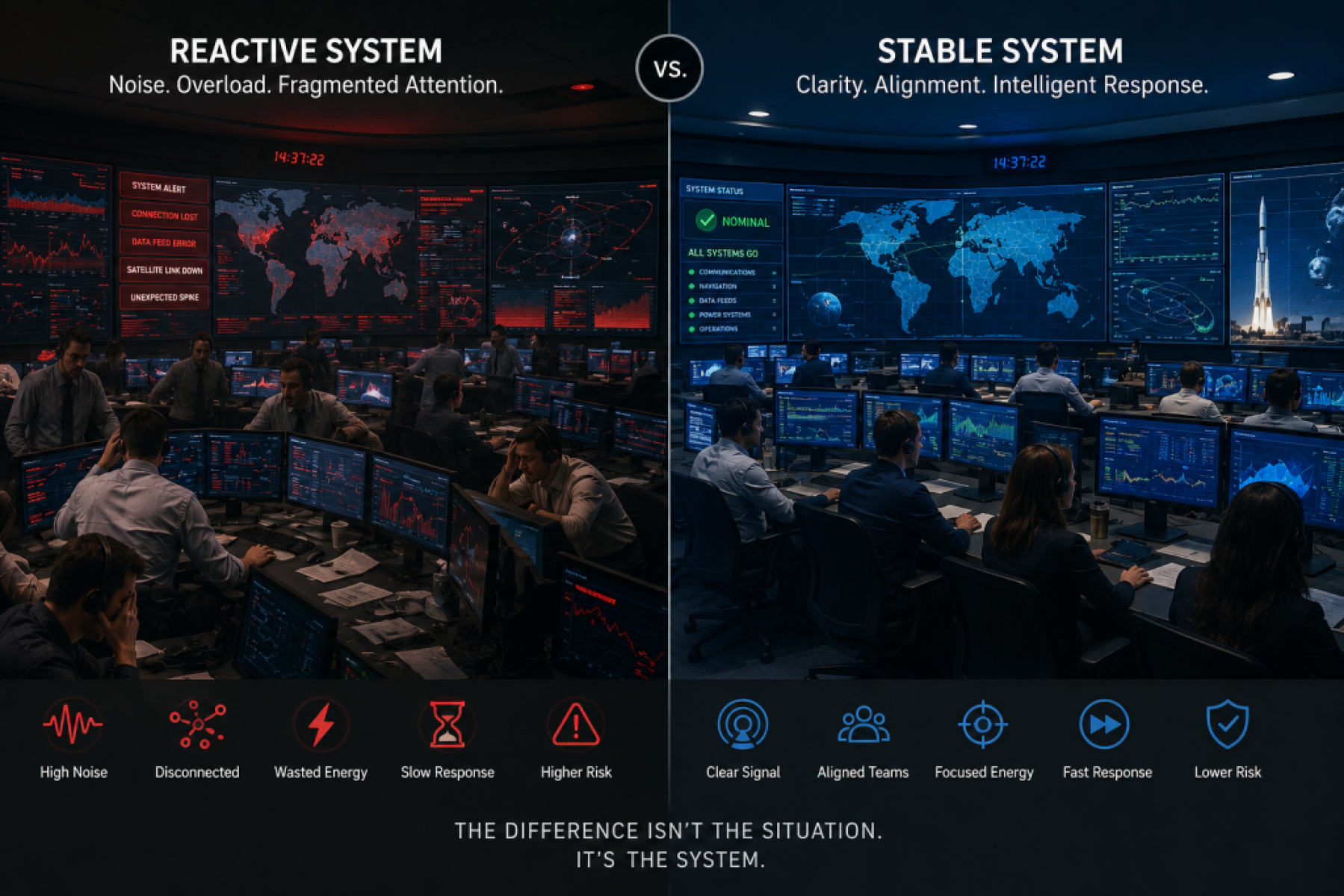
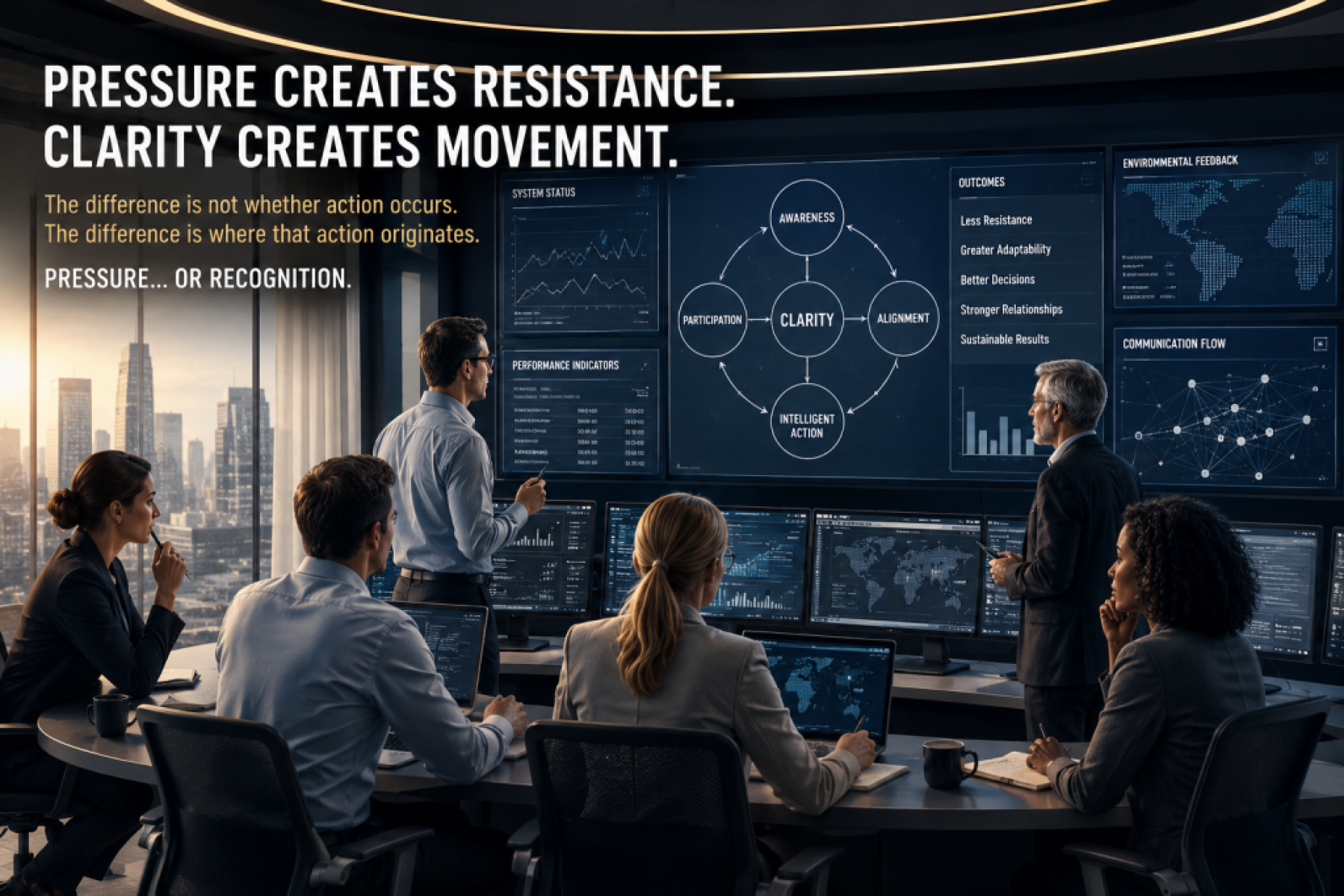
Participation & Alignment begins with a simple observation: alignment is not agreement—it is coherent participation. Healthy systems do not emerge because every participant thinks alike. They emerge because relationships become organized around structures that allow information, trust, and intelligent action to move with progressively less interference.
Executives, investors, educators, researchers, leaders, and professionals encounter this challenge in different forms every day. Organizations struggle despite talented people. Teams lose effectiveness despite clear strategies. Markets become unstable despite abundant information. Relationships deteriorate even when intentions remain positive. Although the circumstances differ, the underlying question remains remarkably consistent: What conditions allow participants to become genuinely aligned?
The articles in this section examine how participation influences organizational performance, leadership, communication, collaboration, adaptation, innovation, and resilience across many different domains. Each article represents another expression of the same principle: outcomes improve naturally when relationships become increasingly coherent.
This perspective shifts problem solving away from managing individual behavior and toward understanding the quality of the relationships generating that behavior. Rather than forcing greater effort or imposing additional control, the focus becomes removing the conditions that fragment participation. As coherence increases, trust develops naturally, complexity becomes easier to navigate, and intelligent systems begin organizing themselves around shared understanding rather than external pressure.
Alignment is never the destination. It creates the conditions that make something even more valuable possible.
How does understanding move between participants until it becomes shared capability?